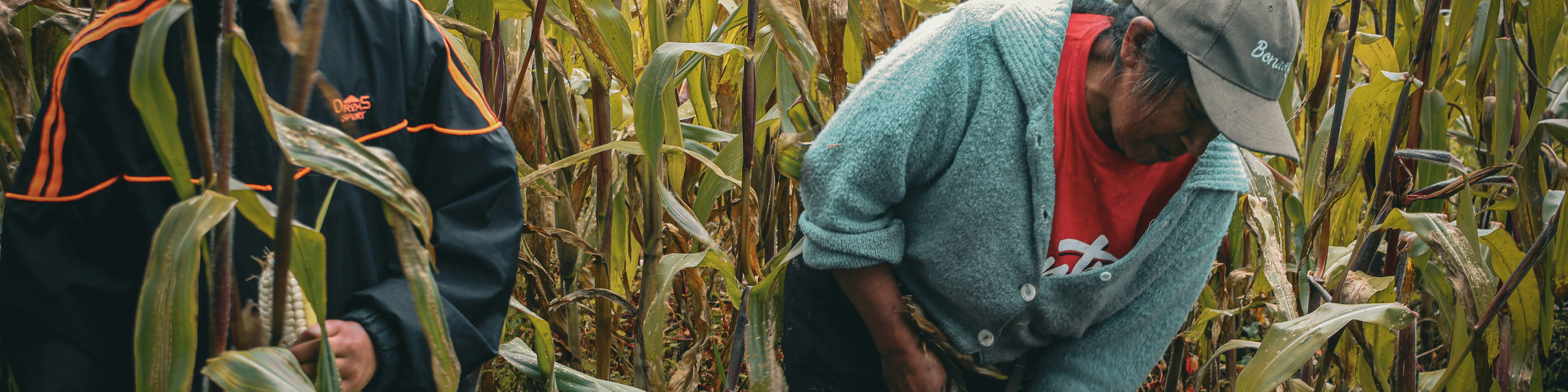
Unlocking Kenya’s Bioethanol Potential Through Policy, Investment and Coordination
Prepared from the Kenya Energy Crops Policy Review Report for policy engagement, stakeholder dissemination, and online publication
By IML Digital (Policy & Digitization Partner - ELMECC Project)
Special appreciation to the following policyreviewers for their invaluable contributions and insights:
- Lead Policy Reviewer: Dr. Ernest Njoroge
- Secondary Reviewers: Damaris Mitalo & Ibrahim Addero
Executive Summary
Kenya’s transition toward clean energy presents a major opportunity for economic growth, environmental protection and energy security. Bioenergy already contributes nearly 68% of the country’s energy demand and remains the dominant source of energy for rural households. However, the sector is still heavily dependent on traditional biomass such as charcoal and firewood, which continue to drive deforestation, respiratory illness and environmental degradation.
At the same time, Kenya’s demand for bioethanol is rising rapidly. Current national demand stands at approximately 40 million litres annually, yet local production remains far below this level. Most of the country’s bioethanol supply is imported despite Kenya having the land, crops, policies and industrial potential to support local production.
The policy review found that Kenya has already developed strong frameworks to support clean cooking, bioenergy development and renewable energy transition. These include the Kenya Bioenergy Strategy 2020–2027, the National Energy Policy 2025–2034, the Kenya National Cooking Transition Strategy 2024–2028 and the Ethanol Cooking Fuel Master Plan. However, implementation remains fragmented and uneven across institutions and counties.
The review identifies major gaps in coordination, regulation, financing, land use planning, extension services and commercialization of energy crops such as cassava, sorghum and sweet sorghum. These crops have significant potential to support clean cooking and industrial bioethanol production, especially in arid and semi-arid areas.
If properly implemented, Kenya’s bioethanol transition could reduce fuel imports, create jobs, improve rural livelihoods, reduce pressure on forests and strengthen the country’s climate resilience.
Kenya’s Energy Context
Kenya’s energy system continues to rely heavily on biomass. In rural areas, biomass contributes up to 90% of household energy demand, primarily through charcoal and firewood. More than 80% of households still depend on traditional cooking fuels.
This dependence creates multiple challenges:
· Continued loss of forest cover
· Indoor air pollution and respiratory illness
· Rising pressure on natural resources
· Increased vulnerability to climate change
· Heavy reliance on imported petroleum products
The clean cooking transition has therefore become both an environmental and public health priority.
The Kenya National Cooking Transition Strategy aims to achieve universal access to clean cooking by 2028 using a mix of:
· 50% LPG
· 30% bioethanol
· 10% electricity
· 10% biogas and sustainable biomass
Bioethanol is expected to play a major role in this transition.
Why Energy Crops Matter
Energy crops are agricultural crops cultivated for biofuel and bioenergy production. In Kenya, the most promising crops include:
Cassava
Cassava performs well in semi-arid regions and has high starch content suitable for ethanol production. It is already widely grown in coastal and western Kenya.
Sorghum
Sorghum is drought tolerant and adaptable to harsh climatic conditions. It offers strong potential for bioethanol production if supply chains are strengthened.
Sweet Sorghum
Sweet sorghum has some of the highest bioethanol potential among the identified feedstock. It is drought resistant and suitable for ASAL regions.
Sugarcane
Sugarcane remains the most established ethanol feedstock through molasses processing, although supply constraints continue to affect the sector.
These crops can support:
· Local industrial development
· Farmer incomes
· Clean cooking fuel production
· Reduced fuel imports
· Rural employment creation
The Current Bioethanol Gap
Kenya currently produces far less bioethanol than it consumes.
Key findings from the review show:
· National demand is estimated at around 40 million litres annually
· Local production remains below demand
· Most ethanol used in the country is imported
· Demand could rise to 200 million litres by 2035
· Existing processing capacity remains underutilized
The continued importation of bioethanol increases pressure on foreign exchange and weakens national energy security.
At the same time, local production systems remain constrained by:
· Weak feedstock supply chains
· Limited farmer aggregation
· Poor commercialization structures
· Inadequate investment incentives
· Limited infrastructure
Existing Policy and Regulatory Frameworks
Kenya has made considerable progress in developing policy frameworks for bioenergy and clean cooking.
Kenya Bioenergy Strategy 2020–2027
This strategy aims to:
· Formalize the bioenergy sector
· Modernize biomass energy systems
· Promote sustainable clean cooking
· Support biofuel development
· Strengthen bioenergy value chains
The strategy also seeks to reduce reliance on traditional biomass and expand modern energy access.
National Energy Policy 2025–2034
The policy supports:
· Transition to modern bioenergy systems
· Clean cooking expansion
· Bioethanol blending
· Renewable energy investment
· Climate resilient energy systems
Kenya National Cooking Transition Strategy 2024–2028
This strategy focuses on:
· Universal clean cooking access
· Affordability of clean fuels
· Local manufacturing
· Public awareness
· Last mile distribution systems
Ethanol Cooking Fuel Master Plan
The master plan targets:
· 200 million litres of locally produced ethanol by 2035
· Expansion of feedstock production
· Supply chain development
· Increased adoption of bioethanol cooking fuel
· Reduced charcoal dependence
The plan projects:
· 370,000 jobs
· Reduced deforestation
· Lower greenhouse gas emissions
· Improved public health outcomes
Key Challenges Identified
Despite strong policy frameworks, implementation challenges remain significant.
1. Weak Institutional Coordination
The Ministry of Energy and the Ministry of Agriculture continue to operate separately despite overlapping responsibilities in the bioenergy sector.
This has resulted in:
· fragmented planning
· duplicated mandates
· weak coordination
· delayed implementation
County governments also face limited technical and financial capacity.
2. Low Prioritization of Energy Crops
Apart from sugarcane, most energy crops are still treated primarily as food security crops rather than industrial crops.
This limits:
· research funding
· extension services
· commercialization support
· private sector investment
Cassava, sorghum and sweet sorghum remain underdeveloped despite their strong bioethanol potential.
3. Weak Supply Chains
Most energy crop value chains remain informal and fragmented.
Major constraints include:
· inconsistent supply volumes
· lack of aggregation systems
· weak contract farming structures
· limited storage infrastructure
· poor market linkages
These gaps make it difficult for processors and investors to secure reliable feedstock supply.
4. Inadequate County Capacity
The Energy Act 2019 requires counties to develop County Energy Plans. However, many counties still face:
· technical gaps
· inadequate staffing
· limited data systems
· slow implementation processes
This affects local planning and investment readiness.
5. Financing and Investment Constraints
The sector still lacks sufficient:
· blended finance mechanisms
· targeted fiscal incentives
· concessional financing
· SME support structures
Many small enterprises and farmer groups cannot access affordable financing.
6. Environmental and Land Use Risks
Bioenergy expansion must balance:
· food security
· biodiversity protection
· water availability
· sustainable land use
Without proper safeguards, large scale expansion could create land use conflicts and environmental degradation.
Opportunities for Kenya
Despite the challenges, the opportunities remain significant.
Economic Opportunities
A well-developed bioethanol industry could:
· reduce fuel import costs
· increase local manufacturing
· strengthen rural economies
· create jobs across the value chain
Opportunities exist in:
· farming
· processing
· logistics
· manufacturing
· stove distribution
· retail systems
Climate and Environmental Benefits
Modern bioenergy systems can:
· reduce deforestation
· lower greenhouse gas emissions
· reduce pressure on forests
· support climate adaptation
Transitioning households away from charcoal remains one of the most important environmental opportunities.
Public Health Benefits
Clean cooking solutions reduce exposure to indoor air pollution which continues to affect millions of households, especially women and children.
Modern bioenergy can improve:
· household air quality
· respiratory health
· safety in cooking environments
Rural Development
Energy crop cultivation can strengthen:
· smallholder incomes
· farmer cooperatives
· rural enterprises
· local manufacturing systems
ASAL counties particularly stand to benefit from drought tolerant crops such as cassava and sweet sorghum.
Policy Recommendations
1. Strengthen Policy Implementation
Existing strategies and regulations should move from policy level commitments into coordinated implementation.
Priority actions include:
· accelerating County Energy Plans
· aligning national and county priorities
· strengthening implementation frameworks
2. Recognize Energy Crops as Industrial Crops
Cassava, sorghum and sweet sorghum should be formally prioritized within agricultural and industrial policy frameworks.
This would support:
· research investment
· extension services
· commercialization
· market development
3. Expand Fiscal Incentives
Government should strengthen:
· tax incentives
· concessional financing
· green financing mechanisms
· support for SMEs and cooperatives
Private investment remains essential for scaling the sector.
4. Support Farmer Aggregation
Strong supply chains require:
· farmer cooperatives
· contract farming systems
· aggregation centres
· structured market linkages
Smallholder farmers must be integrated into the value chain sustainably.
5. Strengthen Research and Innovation
Research institutions should receive stronger support to:
· develop improved crop varieties
· strengthen feedstock productivity
· improve conversion technologies
· support climate resilience
Innovation platforms should also support local manufacturing and clean cooking technologies.
6. Improve Data Systems
Reliable national and county data is necessary for:
· planning
· investment decisions
· monitoring progress
· resource mapping
Kenya still lacks a comprehensive biomass and bioenergy database.
7. Integrate Gender and Social Inclusion
Women, youth and marginalized communities should remain central to the clean energy transition.
Programs should prioritize:
· inclusive financing
· skills development
· women led enterprises
· youth employment opportunities
Conclusion
Kenya has already established many of the policy foundations required to develop a modern bioenergy economy. The country has suitable feedstock, growing market demand, private sector interest and increasing public awareness around clean cooking and renewable energy.
The challenge now is implementation.
Without stronger coordination, investment and commercialization systems, Kenya risks remaining dependent on imported bioethanol while continuing to rely heavily on traditional biomass.
A coordinated national approach can help transform the sector into a driver of:
· clean energy access
· industrial development
· environmental sustainability
· rural economic growth
· climate resilience
The transition to modern bioenergy is no longer simply an energy issue. It is now directly linked to Kenya’s economic future, public health outcomes and long term sustainability agenda.