|
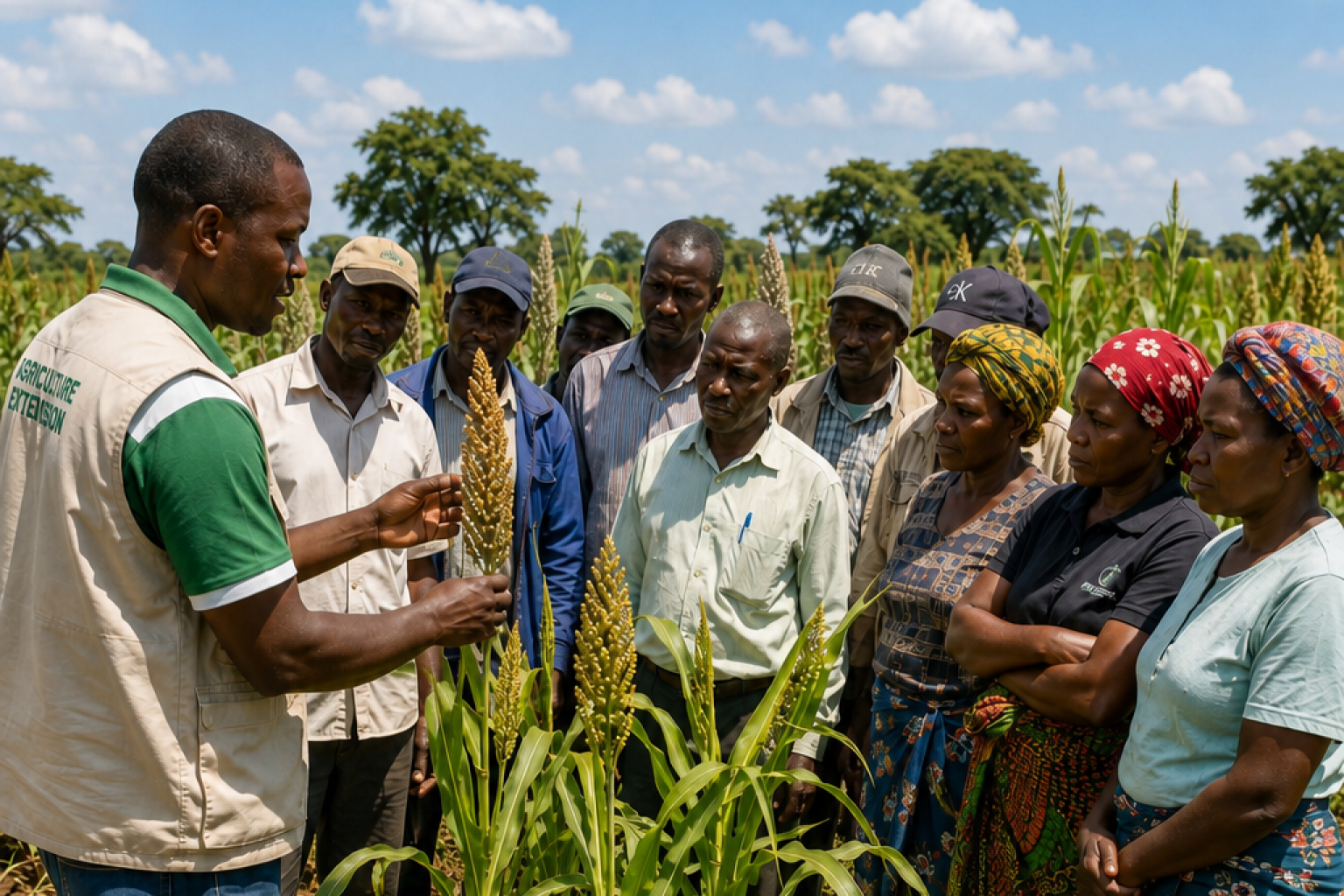
SAFEGUARDING TRAINING CONTENT Protecting People, Preventing Harm, Promoting Dignity ◆ ELMECC Project
|
1. Learning Objectives
🎯By the end of this learning session, participants will be able to:
● Explain what safeguarding means and why it matters.
● Describe the core principles that guide safeguarding practice.
● Recognize different forms of abuse, exploitation, neglect, harassment, discrimination, and harm.
● Understand how power, vulnerability, and unequal relationships can increase safeguarding risks.
● Identify safeguarding concerns, warning signs, and red flags during ELMECC activities.
● Respond appropriately to safeguarding concerns using safe reporting and referral channels.
● Promote safe, inclusive, dignified, and respectful behaviour in all ELMECC engagements.
2. What Is Safeguarding?
Watch video: What is safeguarding?
🛡Safeguarding means taking all reasonable measures to prevent, identify, and respond to harm, abuse, neglect, exploitation, harassment, discrimination, and violence. It involves creating safe environments where every person can participate with dignity, respect, inclusion, and protection from harm.
👥Safeguarding applies to everyone involved in ELMECC activities, including women, men, girls, boys, youth, older persons, persons with disabilities, community leaders, volunteers, staff, partners, and service providers.
3. Why Safeguarding Matters
✅Safeguarding is essential because development and community activities can unintentionally create risks if they are not planned and managed carefully. Strong safeguarding practice protects people, strengthens trust, improves participation, and reinforces accountability.
|
Without safeguarding |
With safeguarding |
|
People may experience harm, exclusion, fear, or retaliation. |
People feel safer, respected, included, and able to participate meaningfully. |
|
Trust in organizations, leaders, and activities can be damaged. |
Trust, transparency, and accountability are strengthened. |
|
Vulnerable groups may be overlooked or further marginalized. |
Risks are identified early and reasonable actions are taken to reduce harm. |
4. Core Principles of Safeguarding
Watch video: "I have the right" | Victims of Sexual Exploitation & Abuse | United Nations
⚖Every ELMECC activity should be guided by the following safeguarding principles.
4.1 Do No Harm
🛡Prevention is the foundation of safeguarding. Project activities should never expose people to additional risks. Before each activity, organizers should ask: Could anyone be harmed? Could anyone feel unsafe? Are there risks that need to be addressed before the activity proceeds?
📌Example: A meeting venue has poor lighting and no security. Organizers identify this risk and relocate the meeting to a safer location. This demonstrates the Do No Harm principle.
4.2 Duty of Care
🤝Duty of care means taking reasonable steps to protect people from foreseeable harm and to provide appropriate support when a safeguarding concern arises. This may include referral to designated safeguarding focal persons, protection services, health services, psychosocial support, or relevant authorities, depending on the nature and seriousness of the concern.
4.3 Empowerment and People-Centred Practice
👤People affected by safeguarding concerns should be treated with dignity, listened to respectfully, and supported to make informed decisions wherever possible. Their safety, consent, preferences, and best interests should guide the response.
4.4 Proportionality and Accountability
⚖ Safeguarding actions should be appropriate to the level of risk and carried out in a way that minimizes intrusion, protects confidentiality, respects dignity, and avoids causing further harm. Individuals and organizations must also be accountable for preventing and responding to safeguarding concerns.
4.5 Non-Discrimination and Inclusion
🌍 Non-discrimination means treating every person fairly and respectfully regardless of gender, age, disability, background, social status, ethnicity, religion, or any other identity or circumstance. Everyone who reports a safeguarding issue must be heard fairly and taken seriously.
✅ Correct practice: Men, women, youth, older persons, persons with disabilities, and all other participants should receive a fair hearing when they report a safeguarding concern.
5. Understanding Abuse, Neglect, and Harm
Watch video: PSEA: It's Everyone's Responsibility
⚠Abuse occurs when someone misuses power, trust, authority, or access and causes harm to another person. Abuse may occur once or repeatedly and may be physical, emotional, financial, institutional, sexual, or related to neglect.
5.1 Types of Abuse
|
Type |
Description |
Examples |
Possible warning signs |
|
Physical abuse |
Actions that cause injury, pain, or physical suffering. |
Hitting, slapping, kicking, pushing, physical punishment. |
Unexplained injuries, fear of certain individuals, frequent accidents. |
|
Emotional or psychological abuse |
Behaviour that harms confidence, wellbeing, mental health, or dignity. |
Insults, threats, bullying, humiliation, intimidation, isolation. |
Withdrawal, anxiety, fearfulness, reduced participation. |
|
Financial or economic abuse |
Controlling, withholding, or misusing another person's money, resources, benefits, or property. |
Taking money without permission, exploiting vulnerable people financially, blocking access to benefits. |
Sudden loss of resources, dependency, reports of pressure or coercion. |
|
Neglect |
Failure to meet basic needs or provide necessary care, assistance, or reasonable support. |
Ignoring accessibility needs, failing to provide required assistance, leaving vulnerable persons unsupported. |
Unmet support needs, exclusion from activities, avoidable distress. |
|
Institutional abuse |
Harm caused by unsafe systems, unfair practices, weak accountability, or organizational culture. |
Excluding certain groups, unsafe reporting systems, unfair treatment within institutions. |
Repeated complaints, fear of reporting, patterns of exclusion. |
|
Digital/online |
Abuse through technology |
Cyber bullying, online threats, trolling and grooming |
Preoccupation with social media, withdrawal |
📌 Community example: A participant is regularly mocked because of their disability. This is emotional abuse and discrimination.
6. Defining Sexual Misconduct
⚠Sexual misconduct includes sexual abuse, sexual harassment, and sexual exploitation. These behaviours are serious safeguarding concerns and must be addressed through appropriate reporting, referral, and accountability mechanisms.
|
Type |
Definition |
Examples |
Key characteristics |
|
Sexual abuse |
Any sexual activity, contact, or behaviour without freely given and informed consent, or where a person is unable to consent. |
Unwanted sexual touching, forced kissing, sexual assault, attempted rape, rape, forcing someone to engage in sexual acts. |
Involves sexual contact or activity; occurs without consent; often involves misuse of power, trust, or authority. |
|
Sexual harassment |
Unwelcome sexual behaviour, comment, gesture, advance, or conduct that makes a person feel uncomfortable, humiliated, intimidated, offended, or threatened. |
Unwanted sexual comments, suggestive messages, repeated requests for dates after refusal, sexual jokes, unwanted comments about appearance, sexually intimidating staring or gestures. |
May be verbal, non-verbal, written, online, or physical; may occur once or repeatedly; can create a hostile or unsafe environment. |
|
Sexual exploitation |
Abuse of a position of power, trust, authority, dependency, or vulnerability for sexual purposes or gain. |
Demanding sexual favours in exchange for services, benefits, training opportunities, assistance, or project selection. |
Involves unequal power; the perpetrator seeks benefit or advantage; the affected person may feel unable to refuse. |
📌 Example: A community representative tells a participant that they will only be selected for training if they provide sexual favours. This is sexual exploitation.
❗ Possible impacts: Sexual misconduct may cause physical injury, trauma, fear, anxiety, depression, emotional distress, loss of trust, withdrawal from activities, reduced participation, and loss of dignity.
7. Understanding Power and Vulnerability
Watch video: No Excuse for Abuse: Preventing Sexual Exploitation and Abuse in Humanitarian Action (English)
🔑 Safeguarding concerns often arise where there are unequal power relationships. Power may be linked to authority, gender, age, disability, access to services, control over information, social status, resources, or decision-making roles.
· Power: decision-making authority, control over resources, influence, and ability to make choices affecting others.
· Vulnerability: limited access to resources and opportunities, increased risk of harm, and reduced ability to protect oneself.
· Key safeguarding message: power imbalances can increase vulnerability, making inclusive and respectful engagement essential.
Examples of power relations/imbalances.
● Leaders and community members.
● Staff, volunteers, partners, and participants.
● Adults and children.
● Service providers and beneficiaries.
● People who control access to project benefits and those seeking support.
Safeguarding Scenarios Depicting Power and Vulnerability
Scenario 1: Service Provider and Person with Disability
A person with a disability relies on a service provider to access energy-related information and support services. The service provider fails to share information in accessible formats, preventing meaningful participation.
Power
- Control over information and services.
- Ability to facilitate or restrict access.
Vulnerability
- Dependence on others for information.
- Risk of exclusion from decision-making.
- Limited access to opportunities.
Scenario 2: Project Officer and Community Member
A project officer is responsible for registering households for energy crop seeds subsidies. A community member is told that receiving support may depend on maintaining a "good relationship" with project staff.
Power
- Authority over project registration.
- Control over access to benefits.
Vulnerability
- Desire for assistance.
- Fear of losing support.
- Unequal power relationship.
🛡 Power is not inherently negative. Safeguarding focuses on ensuring that people with authority, influence, resources, or decision-making responsibility use their power responsibly and do not exploit those who are more vulnerable. Effective safeguarding creates environments where everyone, especially women, children, persons with disabilities, and marginalized groups, can participate safely, raise concerns, and access support without fear.
Safeguarding Red Flags and Warning Signs
Safeguarding red flags are indicators that an individual may be experiencing abuse, exploitation, neglect, harassment, or other forms of harm. While a single sign may not confirm abuse, multiple indicators or patterns should prompt concern and appropriate action.
1. Physical Warning Signs
- Unexplained injuries, bruises, burns, cuts, or fractures.
- Frequent injuries with inconsistent explanations.
- Signs of physical restraint or violence.
- Poor hygiene, malnutrition, or inappropriate clothing for weather conditions.
- Untreated medical conditions or frequent illness.
2. Emotional and Psychological Warning Signs
- Sudden changes in behaviour or personality.
- Withdrawal from family, friends, or community activities.
- Excessive fear, anxiety, depression, or distress.
- Low self-esteem or feelings of worthlessness.
- Unusual aggression, anger, or emotional outbursts.
- Signs of trauma or fear of specific individuals.
3. Signs of Neglect
- Lack of food, water, shelter, or basic necessities.
- Consistent absence from school, work, or community activities.
- Poor personal care and living conditions.
- Lack of access to necessary medication, assistive devices, or healthcare.
- Dependents left unattended or inadequately supervised.
4. Financial Exploitation Indicators
- Unexplained loss of money, property, or assets.
- Pressure to sign documents or make financial decisions.
- Unauthorized access to bank accounts or benefits.
- Sudden changes in financial circumstances.
- Complaints about stolen resources or unfair withholding of entitlements.
5. Sexual Exploitation, Abuse and Harassment (SEAH) Indicators
- Fear of certain individuals or reluctance to be alone with them.
- Unwanted gifts, favors, or special treatment linked to expectations.
- Reports of inappropriate comments, touching, or behavior.
- Sudden withdrawal from programmes or activities.
- Rumors or disclosures of coercion, exploitation, or abuse of power.
6. Warning Signs Among Children
- Frequent absenteeism from school.
- Sudden decline in academic performance.
- Age-inappropriate behavior or knowledge.
- Running away from home.
- Fear of going home or being around certain adults.
- Changes in eating or sleeping patterns.
7. Warning Signs Among Persons with Disabilities
- Unexplained injuries or deterioration in health.
- Restriction from participating in community activities.
- Denial of assistive devices or support services.
- Dependence on a caregiver who appears controlling or abusive.
- Inability to communicate concerns freely.
8. Community and Project-Related Red Flags
- Exclusion of certain groups from meetings or benefits.
- Abuse of authority by leaders, staff, or volunteers.
- Favoritism in service delivery.
- Requests for money, gifts, or favors in exchange for services.
- Lack of accessible reporting channels.
- Community complaints that are ignored or dismissed.
What to Do When a Red Flag is Identified
- Take concerns seriously.
- Ensure the immediate safety of the affected person.
- Listen calmly and respectfully if a disclosure is made.
- Do not investigate on your own.
- Maintain confidentiality and share information only with authorized personnel.
- Report through established safeguarding and referral mechanisms.
- Document facts accurately and objectively.
⚠Always pay attention when a participant appears frightened, avoids a particular person, becomes withdrawn, suddenly stops attending activities, reports unwanted behaviour, shows distress after interacting with someone, or when discrimination, bullying, threats, or unfair treatment are observed.
8. Creating Safe Spaces in ELMECC Activities
🏠A safe space is an environment where people feel respected, heard, protected, included, free from discrimination, and free from abuse. Safe spaces are created through planning, respectful facilitation, inclusive participation, accessible venues, confidentiality, and clear reporting pathways.
8.1 Safe Behaviour Expectations
●Use respectful and non-discriminatory language.
● Listen actively and allow others to contribute.
● Respect differences in identity, experience, ability, and opinion.
● Avoid intimidation, bullying, harassment, and exclusion.
● Report safeguarding concerns through the appropriate channels.
●Support meaningful inclusion of women, youth, persons with disabilities, older persons, and other community members who may face barriers to participation.
9. Responding to Safeguarding Concerns
|
Step |
Action/What to do |
What this means in practice |
|
1. Recognize 👀 |
Notice warning signs and listen carefully. |
Pay attention to behaviour, disclosures, patterns, and risks without making assumptions. |
|
2. Respond 🤝 |
Remain calm and take the concern seriously. |
Thank the person for speaking up, reassure them they did the right thing, and avoid blame. |
|
3. Refer 📞 |
Follow ELMECC safeguarding procedures and reporting channels. |
Do not investigate independently. Refer to the designated safeguarding focal person or appropriate authority. |
|
4. Record 📝 |
Document facts accurately. |
Record what was said, observed, when it happened, who was involved, and any immediate safety concerns. Avoid personal opinions. |
|
5. Report🚨 |
Notify the appropriate safeguarding contact. |
Share information only with those who need to know in line with organizational procedures, confidentiality, and safety requirements. |
Recognize → Respond → Refer → Record → Report
Remember: Your role is not to investigate, but to listen, support, document, and report through the correct channels. This helps ensure the safety and wellbeing of everyone involved.
9.1 What Not to Do
● Do not blame the person reporting.
● Do not promise secrecy; explain that information may need to be shared for safety and support.
● Do not investigate independently.
● Do not spread information or gossip.
● Do not ignore concerns.
● Do not retaliate against anyone who reports a concern.
10. Reporting Safeguarding Issues.
Watch video: Video: Taking Action. Understanding safeguarding
If you suspect or witness abuse, exploitation, neglect, harassment, or any form of harm affecting a child or adult, report immediately through the appropriate safeguarding channels. Do not investigate the matter yourself. Focus on recording facts, ensuring the person's immediate safety, and reporting through established mechanisms.
Steps for Reporting:-
- Listen and take the concern seriously.
- Ensure immediate safety if the person is at risk of harm.
- Record facts only (who, what, where, when).
- Maintain confidentiality and share information only with authorized personnel.
- Report promptly through organizational or national reporting channels.
- Refer the survivor to appropriate medical, psychosocial, legal, or protection services where needed.
Referral Principle:
Referrals should always be guided by the person's needs, preferences, and
wishes. Where appropriate, explain the available support options and seek
their informed consent before making a referral. This helps uphold their
dignity, autonomy, and right to make decisions about their own wellbeing.
Important Exceptions:
Consent may not be required where:
- A child is at risk of harm, abuse, neglect, or exploitation; or
- There is an immediate safety risk to the individual or others.
In such situations, safeguarding responsibilities take priority, and the concern should be reported through the appropriate safeguarding channels to ensure protection and safety.
Key Message for Learners:
Whenever possible, ask and involve the person in decisions affecting them.
However, where a child or someone is in immediate danger, act promptly to
protect them, even if consent cannot be obtained.
Confidential Reporting Channels for Children
Child Helpline 116
☎ Dial 116 (Toll-Free, 24/7)
📱 WhatsApp: 0722 116 116
The National Child Helpline provides confidential reporting, counselling, referrals, rescue support, and child protection services for children experiencing abuse, neglect, exploitation, violence, or other safeguarding concerns. The service is managed through a partnership between the Government of Kenya and Childline Kenya.
Confidential Reporting Channels for Adults
National Gender-Based Violence (GBV) Hotline
☎ Dial 1195 (Toll-Free, 24/7)
The 1195 Helpline provides confidential support for survivors of gender-based violence, including domestic violence, sexual violence, harmful practices, and exploitation. Services include counselling, referrals, emergency response, legal support, and linkage to shelters and healthcare providers.
Emergency Services
☎ 999, 112 or 911
Where a person is in immediate danger, contact emergency services or the nearest police station immediately.
Organizational Reporting (Practical Action – ELMECC Project)
For projects, community programmes, or workplaces:
· Report concerns to the designated Safeguarding Focal Person:
o judy.ogoti@practicalaction.or.ke – Nairobi Office
o Linda.Owako@practicalaction.or.ke – Kisumu Office
o Daniel.Mwakha@practicalaction.or.ke – Kakamega office or
o Purity.Ndereba@practicalaction.or.ke – Project Manager - ELMECC
· Use your enterprise/organization's complaints and feedback mechanism.
· Submit reports through mobile numbers, email, or other grievance mechanisms where available.
· Anonymous reports should be accepted where possible.
11. Barriers to Disclosure
Disclosure of safeguarding concerns is often difficult because individuals may face personal, social, cultural, or systemic barriers that prevent them from speaking out. Common barriers include:
1. Fear of Retaliation or Consequences
- Fear of losing employment, services, or opportunities.
- Fear of punishment, rejection, or negative treatment.
- Concern that the perpetrator may seek revenge.
2. Lack of Trust
- Lack of confidence that reports will be taken seriously.
- Previous negative experiences with reporting mechanisms.
- Belief that nothing will change after reporting.
3. Shame, Embarrassment, or Stigma
- Feelings of self-blame or guilt.
- Fear of being judged or labeled by family, peers, or the community.
- Cultural stigma surrounding abuse and exploitation.
4. Fear of Not Being Believed
- Concern that others may question their account.
- Worry about being accused of lying or exaggerating.
5. Power Imbalances
- The alleged perpetrator may hold a position of authority, influence, or trust.
- Dependence on the perpetrator for income, services, education, or support.
6. Lack of Awareness
- Not recognizing that a safeguarding violation has occurred.
- Limited knowledge of rights, reporting channels, or available support services.
7. Communication Barriers
- Language differences.
- Disabilities affecting communication.
- Low literacy levels.
8. Cultural and Social Norms
- Community beliefs that discourage reporting.
- Gender norms that silence women, girls, boys, or men.
- Pressure to keep family or community matters private.
9. Fear of Confidentiality Breaches
- Concern that personal information will not be kept private.
- Fear that disclosure could lead to gossip or social exclusion.
10. Trauma and Emotional Distress
- Trauma can affect memory, confidence, and the ability to speak about an incident.
- Victims may feel overwhelmed, anxious, or fearful.
11. Long formal procedures
· Individuals may be discouraged from reporting safeguarding concerns if the process is perceived as difficult, intimidating, or time-consuming.
How Organizations Can Address These Barriers
- Create safe, confidential, and accessible reporting mechanisms.
- Promote awareness of safeguarding rights and reporting processes.
- Ensure non-retaliation policies are enforced.
- Provide survivor-centered support services.
- Train staff and volunteers to respond appropriately and sensitively.
- Foster a culture of trust, respect, and accountability.
Key message: People are more likely to disclose safeguarding concerns when they feel safe, respected, believed, and supported throughout the reporting process
12. Community Scenario and Reflection
📝Case study: During an ELMECC training, an older participant repeatedly prevents women and youth from speaking, insults a participant with a disability, and threatens anyone who disagrees with him.
1. What
safeguarding concerns do you observe?
_______________________________________________________
______________________________________________________________________________
2. Which
safeguarding principles are being violated?
_______________________________________________________
______________________________________________________________________________
3.
What should the facilitator do?
_____________________________________________________________
______________________________________________________________________________
4.
How can similar incidents be prevented?
_____________________________________________________________
______________________________________________________________________________
✅ Answer Guide
1. What safeguarding concerns do you observe?
Suggested Answers:
- Bullying, intimidation, and threatening behaviour.
- Discrimination against persons with disabilities.
- Exclusion of women and youth from meaningful participation.
- Abuse of power and dominance over other participants.
- Creation of an unsafe, hostile, and non-inclusive learning environment.
- Violation of participants' dignity, respect, and right to be heard.
2. Which safeguarding principles are being violated?
Suggested Answers:
- Respect and dignity for all participants.
- Non-discrimination and inclusion, particularly towards persons with disabilities, women, and youth.
- Participation and empowerment, as some participants are being prevented from contributing.
- Safety and wellbeing, due to threats and intimidation.
- Equality and fairness, as certain groups are being marginalized.
3. What should the facilitator do?
Suggested Answers:
- Remain calm and intervene immediately to stop the inappropriate behaviour.
- Remind the group of the agreed ground rules on respect, inclusion, and participation.
- Ensure women, youth, and persons with disabilities have an opportunity to contribute.
- Speak privately with the individual if necessary and clearly explain that discriminatory or threatening behaviour is unacceptable.
- Document the incident and report it through the appropriate safeguarding channels if required.
- Provide support to any participant who has been affected by the behaviour.
How can similar incidents be prevented?
Suggested Answers:
- Establish and agree on ground rules at the start of every meeting or training.
- Promote respectful communication and zero tolerance for discrimination, bullying, or harassment.
- Train facilitators on safeguarding, inclusion, and conflict management.
- Encourage active participation from all groups, especially women, youth, and persons with disabilities.
- Ensure participants know how to raise concerns and access safeguarding reporting mechanisms.
- Foster a culture of respect, inclusion, and accountability throughout project activities.
🌟 KEY MESSAGE
Safe Participation • Dignity • Respect • Inclusion
Everyone has the right to be safe, respected, included, and heard. If you see or suspect harm, speak up and follow safeguarding procedures. Safeguarding is everyone's responsibility.
13. Summary Notes
🛡Safeguarding is the responsibility of ensuring that all people, especially children, vulnerable adults, and at-risk groups, are protected from abuse, neglect, exploitation, harassment, bullying, discrimination, violence, and any other form of physical, emotional, psychological, sexual, or economic harm. It involves creating safe, respectful, and inclusive environments where individuals are treated with dignity, their rights are upheld, and their wellbeing is promoted.
Safeguarding is both preventive and responsive. It requires proactive measures to identify and reduce risks before harm occurs, while also ensuring that concerns, allegations, or incidents are addressed promptly, appropriately, and sensitively when they arise. Effective safeguarding empowers individuals to speak up, provides safe reporting mechanisms, promotes accountability, and ensures that those affected receive the protection, support, and assistance they need. Through a collective commitment to safeguarding, organizations and communities can foster trust, prevent harm, and create environments where everyone can thrive safely and confidently.
📣 Remember: See it. Hear it. Report it. Recognize signs of harm, listen carefully and respectfully, and use the appropriate reporting channels.
14. Knowledge Check
1. Safeguarding is everyone's responsibility. ☐ True ☐ False
2. Emotional abuse can be harmful even when no physical injury occurs. ☐ True ☐ False
3. People should be treated fairly regardless of disability, gender, age, or background. ☐ True ☐ False
4. If someone reports a concern, it is acceptable to gossip about it. ☐ True ☐ False
5. Ignoring abuse helps protect people. ☐ True ☐ False
6. A participant tells you that a staff member has been sending inappropriate messages. What should you do FIRST?
A. Ask other participants if they have received similar messages
B. Promise to keep it secret
C. Listen carefully, take the concern seriously, and follow safeguarding procedures
D. Confront the staff member immediately.
7. While documenting a safeguarding concern, what information should be
recorded?
A. Only your opinion about what happened
B. Facts, observations, dates, names involved, and what was reported
C. Rumours from other people
D. Information that makes the report sound more convincing.
8. A child discloses possible abuse and asks you not to tell anyone. What should
you say?
A. "I promise I will keep this
secret."
B. "Let's forget about it."
C. "Thank you for telling me. I may need to share this with people who can
help keep you safe."
D. "You should tell someone else."
9. Who should you inform about a safeguarding concern?
A. Anyone who asks about it
B. Friends and colleagues for advice
C. The designated safeguarding focal person or approved reporting channel
D. Social media groups
10. A beneficiary reports a safeguarding concern involving your direct manager.
What should you do?
A. Ignore it because the manager is senior.
B. Report it through an alternative safeguarding channel or higher-level
reporting mechanism.
C. Discuss it openly with colleagues.
D. Wait until someone else reports it.
11. During a field visit, you observe behaviour that makes you uncomfortable,
but no one has made a complaint. What should you do?
A. Ignore it because no one has complained.
B. Monitor the situation and report concerns through safeguarding channels.
C. Post about it online.
D. Immediately accuse the individual.
12. A colleague asks to see a safeguarding report because they are curious about
what happened. What should you do?
A. Share it since they are a colleague.
B. Share only part of the information.
C. Refuse and maintain confidentiality unless they are authorized to access it.
D. Discuss it informally during lunch.
13. What is the main purpose of safeguarding reporting?
A. To prove someone is guilty.
B. To protect individuals from harm and ensure concerns are addressed
appropriately.
C. To punish staff members immediately.
D. To create paperwork.
14. List the five steps of responding to a safeguarding concern.
15. In one sentence, explain why you should not investigate a safeguarding
concern on your own.
16. What are three key things you should do when someone discloses a
safeguarding concern?
17. What would you do if you believed someone was in immediate danger?
✅ Answer Guide
1. True
2. True
3. True
4. False
5. True
6. Answer: C
Explanation: Your role is to listen, reassure, and report through the correct safeguarding channels. Do not investigate or confront anyone yourself.
7. Answer: B
Explanation: Safeguarding records should be factual, objective, accurate, and free from personal opinions.
8. Answer: C
Explanation: Never promise complete confidentiality. Explain that information will only be shared with those who need to know to ensure safety.
9. Answer: C
Explanation: Information should be shared only through official safeguarding reporting channels.
10. Answer: B
Explanation: Safeguarding concerns involving managers or senior leaders should still be reported using designated alternative channels, whistleblowing mechanisms, or higher authorities.
11. Answer: B
Explanation: Safeguarding begins with recognizing risks and reporting concerns, even when there has been no formal complaint.
12. Answer: C
Explanation: Safeguarding information must be handled confidentially and only shared on a need-to-know basis.
13. Answer: B
Explanation: The priority of safeguarding is protection, prevention of harm, and ensuring appropriate action is taken.
14. Expected Answer:
✅
Recognize
✅ Respond
✅ Refer
✅ Record
✅ Report
15. Expected Answer:
Investigating independently may place people at further risk, compromise evidence, and interfere with established safeguarding procedures.
16. Expected Answer:
- Listen carefully.
- Stay calm and take the concern seriously.
· Report through the correct safeguarding channels.
17. Expected Answer:
Take immediate action to ensure safety, seek emergency assistance if required, and report through safeguarding procedures as soon as possible.
15. My Safeguarding Commitment
✍I commit to respecting all people, promoting inclusion and equality, challenging harmful behaviour, protecting confidentiality, reporting safeguarding concerns, and helping create safe spaces within ELMECC activities.
Name:
_______________________________
Signature: ____________________________
Date: ________________________________
Keep this commitment close to your heart and let it guide your daily actions and interactions with others, especially those who are vulnerable or marginalized. Show kindness, respect, empathy, and inclusion in everything you do. By living out this commitment every day, you can make a positive difference in the lives of others and contribute to building a more caring, equitable, and supportive community for all.
16. Closing Message
🎓Congratulations on completing the ELMECC Safeguarding Self-Paced Learning Course. Safeguarding is everyone's responsibility. By applying the principles in this training, you contribute to creating safe, respectful, inclusive, and accountable environments where all people are protected from harm and treated with dignity.
🔔 Key message: Safeguarding is not only about responding to harm; it is about preventing harm, protecting people, respecting dignity, and ensuring that every person can participate safely and confidently in ELMECC activities.